Switchboard Thermal Scan Frequency: How Often Should You Test
For most sites, the practical answer to how often you should get a thermal scan on switchboards is annually. Higher-risk sites, such as hospitals, 24/7 operations and heavily loaded switchrooms, often schedule scans every six months. There’s no single interval that suits every switchboard, so the right schedule depends on the workplace, equipment, electrical loads and risk assessment.
It’s reasonable to want a clear schedule and know whether testing will interrupt operations. Thermal imaging is generally carried out while switchboards are operating, so the power can remain on during the scan. Safe access and suitable work controls are essential.
This guide explains how to set a practical scanning frequency, when to bring a scan forward and what thermal imaging can and can’t reveal. It also covers safe scanning of energised switchboards and using findings to plan maintenance with minimal disruption.
Key Takeaways
- Annual scanning is a practical starting point for many switchboards; industrial systems and other high-load sites may need a shorter interval.
- Use site conditions, electrical loads, equipment age and risk assessment to shape a scanning schedule, rather than relying on one interval for every workplace.
- Thermal images can help identify hot connections and overloaded circuits, giving you useful information for maintenance planning.
- Scans are generally performed while switchboards are operating, but safe access and appropriate work controls remain essential.
- Thermal imaging is one part of electrical safety management; pair its findings with relevant inspection and testing where needed.
What is Electrical Thermal Scanning?
Electrical thermal scanning uses an infrared camera to show heat patterns on operating equipment. For industrial switchboards, a practical starting point is at least annually. The interval depends on building use, electrical load and risk.
Visual inspections assess visible conditions, while thermal imaging reveals temperature differences that may not be obvious to the eye. Neither replaces the other: a thermal scan can identify heat anomalies, while a hands-on inspection assesses physical condition.
Thermal Imaging in Preventive Maintenance
Thermal imaging is a non-invasive check that captures temperature patterns while equipment operates. As part of preventive maintenance, it helps teams identify developing heat anomalies and plan investigation before a fault disrupts equipment or building operations.
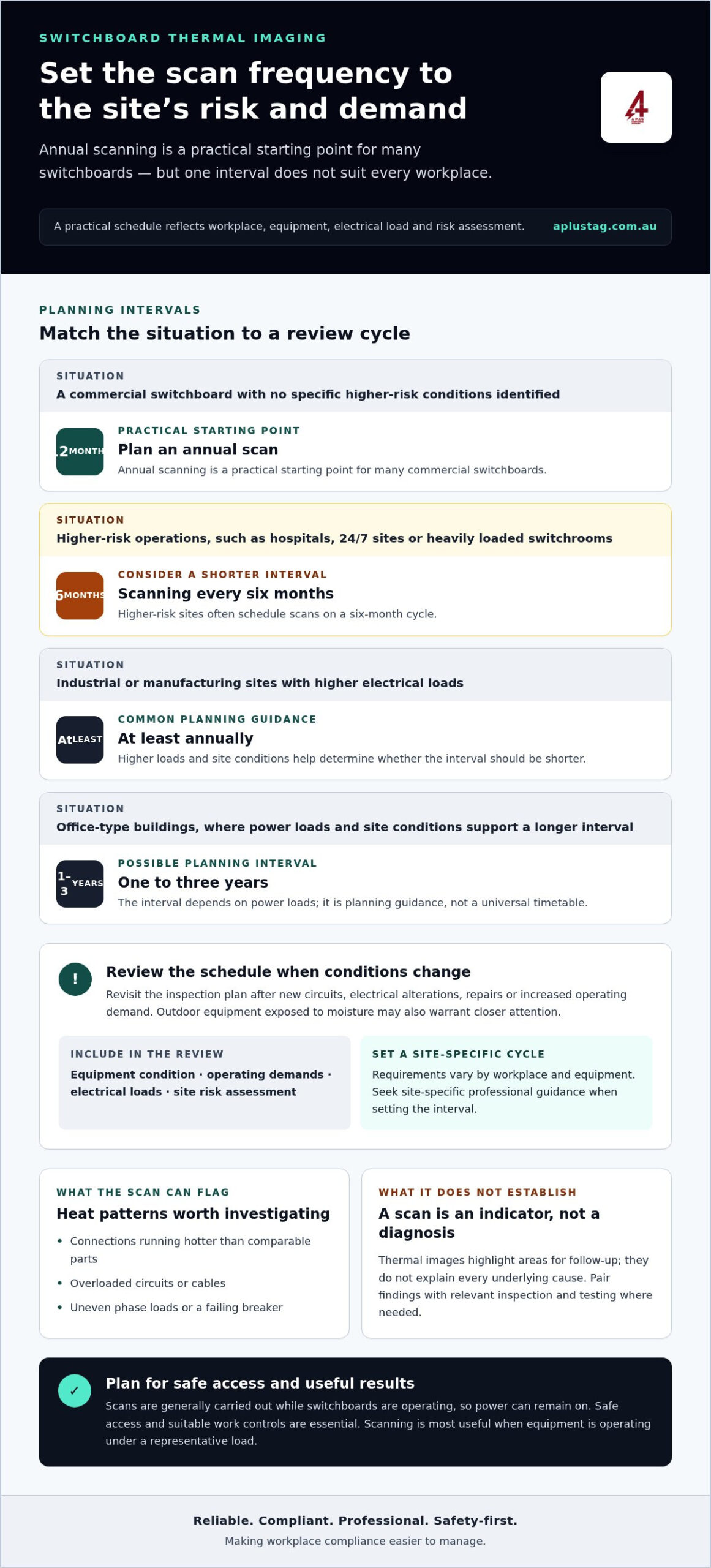
Scanning frequency depends on site conditions. Industrial or manufacturing sites with higher electrical loads are commonly scanned at least annually. Higher-risk sites, including hospitals and heavily loaded switchrooms, may scan every six months. Office-type buildings may use intervals of one to three years, depending on power loads.
Treat these intervals as planning guidance, not a universal timetable. A site’s risk assessment, equipment condition and operating demands help determine the schedule.
Equipment and Circuits for Thermal Checks
Thermal checks are useful for switchboards, breakers, cable connections and circuits carrying substantial or continuous loads. The camera records heat patterns across accessible components, allowing the technician to compare similar parts and identify areas running hotter than expected.
For example, a warehouse with heavily used machinery may prioritise its main switchboard and high-load circuits. A healthcare building may also consider equipment supporting critical operations. Outdoor electrical circuits exposed to moisture and weather may warrant attention, particularly if older equipment or worn insulation is present.
Scanning is most useful when the relevant equipment is operating under a representative load. Circuits that are switched off or lightly loaded may not reveal faults through heat patterns during the inspection.
Early Fault and Fire Hazard Detection
A hot spot, or a component heating faster than comparable parts, can indicate an electrical fault. Thermal imaging can help detect loose connections, overloaded cables, failing breakers and uneven phase loads before these issues contribute to equipment failure or power loss.
For example, if one switchboard connection appears hotter than neighbouring connections under similar operating conditions, that difference gives maintenance teams a reason to investigate and prioritise follow-up. It is an indicator, not a complete diagnosis: the scan highlights a concern but does not explain every underlying cause.
Identifying heat anomalies early also supports fire-risk management by directing attention to electrical components that need assessment. Clear records of image locations and findings help teams compare results across scheduled inspections.
Thermal Scans Compared with Visual Inspections
A visual electrical inspection assesses visible conditions, such as damage, corrosion or other signs of deterioration. Thermal scanning instead uses infrared images to reveal temperature variations that a standard visual check may not show.
For example, a connection may look normal externally while showing a different heat pattern from comparable components. A scan can flag that difference for further investigation; a visual inspection can assess accessible physical condition and signs of wear.
Use both methods as complementary checks, especially for older switchboards. Thermal imaging does not test insulation breakdown, earthing faults or RCD performance, and it does not replace a hands-on inspection. Findings help determine what follow-up electrical assessment is appropriate.
How Often Should You Conduct Thermal Imaging Tests?
An annual scan is a practical starting point for many commercial switchboards. The right interval depends on site demand, equipment condition and risk assessment. Higher-risk sites, including hospitals and heavily loaded switchrooms, often schedule scans every six months. Industrial and manufacturing sites with higher electrical loads are commonly scanned at least annually.
Office-type buildings may use an interval of one to three years, depending on power loads. These periods are planning guidance, not a universal rule for every workplace. How often you should get a thermal scan on switchboards depends on the equipment, work environment and relevant requirements. Site-specific professional guidance can help set a suitable cycle.
Review the inspection plan when site conditions change. New circuits, electrical alterations, repairs or increased operating demand can affect the schedule. Outdoor equipment exposed to moisture may also need closer attention. A site manager can document changes and include them in the next review, rather than relying only on the original calendar reminder.
Thermal imaging findings help direct follow-up. A loose connection may show a different heat pattern from comparable connections, while overloaded circuits can run hotter than expected. Images may also highlight uneven phase loads, failing breakers or worn components. These findings identify areas for further assessment but do not establish the precise cause by themselves.
Measurement terminology helps explain how an image is interpreted. Emissivity describes how effectively a surface emits infrared energy and is expressed as a ratio from 0 to 1. Field of view, measured in degrees, describes the area visible at a set distance. Instantaneous field of view, or spatial resolution, is measured in milliradians and relates to captured detail.
Measurement resolution describes the smallest detail at a set distance that supports an accurate temperature reading. Modern infrared cameras can detect temperature differences as small as 0.1°C. Image quality and operating conditions still affect interpretation. For example, a circuit that is switched off or lightly loaded may not show a developing heat pattern during inspection.
After repairs, a follow-up scan can help assess whether the reported condition has changed and establish a comparison point for future inspections. Record the board, image location and findings. Reviewing these records alongside changes in site demand helps keep future intervals grounded in equipment history and actual operating conditions.
Does a thermal scan require a shutdown?
Usually, no. Switchboard thermal imaging is carried out while equipment is operating, so the scan can capture temperature patterns under normal load without interrupting the power supply.
In Australia, there’s no legal requirement or set schedule for thermal scanning. An annual scan is a common maintenance interval for commercial switchboards, particularly at sites with high power use, older equipment or critical processes. The appropriate frequency still depends on workplace conditions, equipment and risk assessment, so base the site schedule on professional guidance.
Demand can change how often a board needs attention. Industrial sites with heavy or continuous loads, critical processes or older equipment often scan more frequently than annually. Hospitals, 24/7 operations and heavily loaded switchrooms often use a six-month interval. A commercial building with lower and steadier demand may follow an annual maintenance cycle, then review it if equipment, loads or operating conditions change.
More frequent scanning can be useful when switchboards support processes where an unexpected outage would disrupt essential operations. For example, a production site running continuous machinery may choose a shorter interval than an office with predictable daytime use. Temperature differences between comparable components can reveal developing concerns, but an image is an inspection finding, not a diagnosis of every electrical fault.
Include thermal imaging in the site’s electrical maintenance plan alongside other scheduled checks. Note each board’s operating conditions, previous findings and any changes in demand. After repairs or alterations, review whether the schedule needs adjusting. This gives facility and operations managers a practical record for planning future inspections and maintenance.
Insurance requirements can also affect the schedule. Some insurers make thermal imaging a condition of policy renewal, so review the policy requirements alongside the site’s maintenance plan. QBE recommends thermographic scans of electrical switchboards and says they must be conducted by a licensed electrician with appropriate thermographic training or certification.
For a live switchboard scan, safe access remains essential even when the supply stays on. Safe Work Australia says a competent person must perform electrical inspections and testing. QBE’s guidance also supports using a licensed electrician with appropriate thermographic training or certification. The person conducting the scan should follow safe work practices and use suitable personal protective equipment and controls around the switchboard.
Set the interval by considering the factors together:
- Electrical demand: heavy or continuous loads can support more frequent scanning.
- Equipment and process criticality: essential operations may need a tighter inspection cycle.
- Site records and policy conditions: past findings and insurer requirements can shape the maintenance plan.
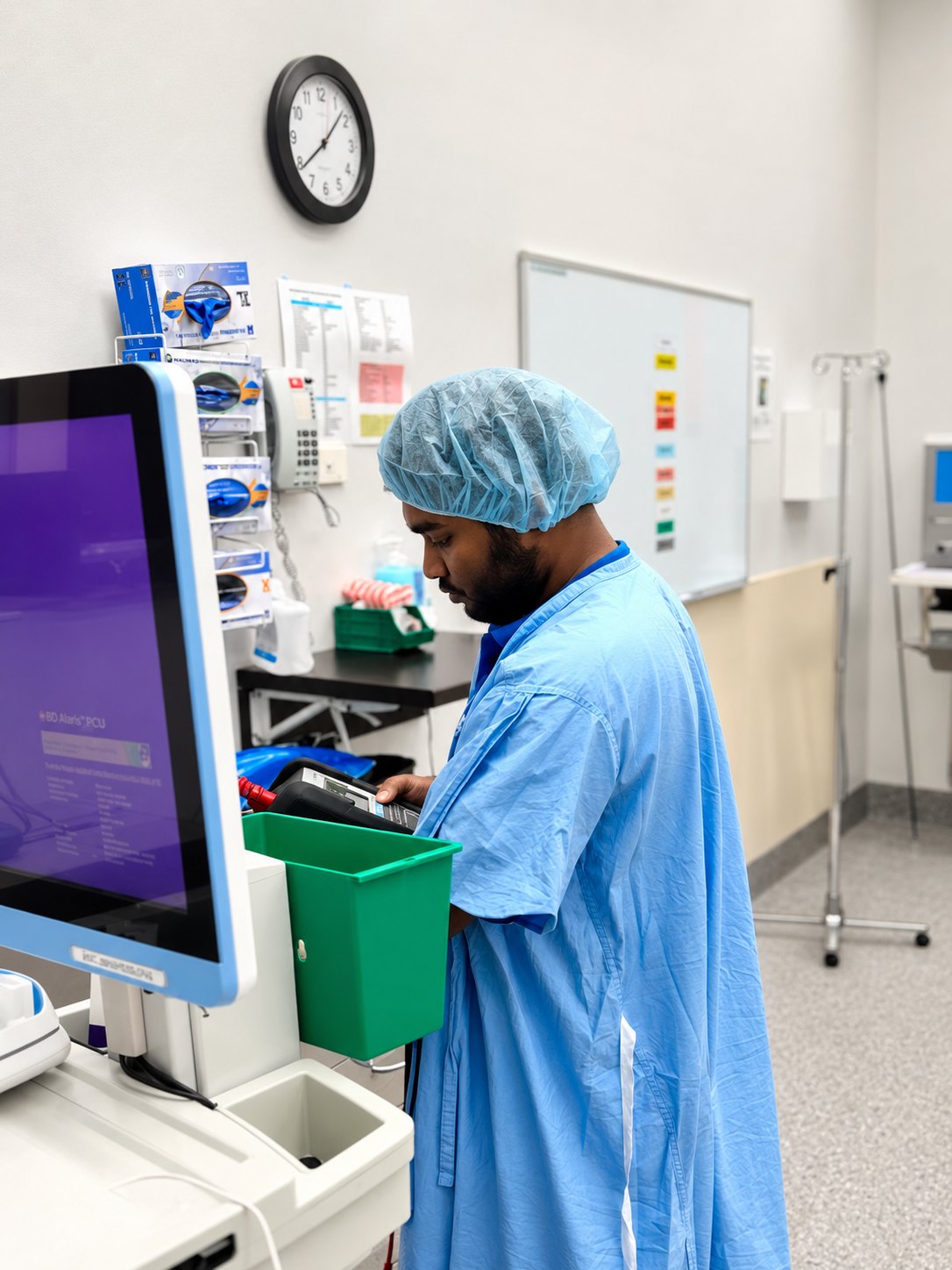
Safe switchboard inspection and image capture
A thermal inspection is most useful when the switchboard is operating under a representative load. Plan access, identify the boards and circuits in scope, and keep inspection conditions consistent with normal operations.
Factors Affecting Inspection Scheduling
Inspection timing depends on the switchboard’s electrical demand, equipment condition, site environment and operating pattern. A board serving continuous production, for example, may need a different plan from one supplying a lightly used office.
Before booking, review previous findings, repairs, electrical changes and the site’s risk assessment. Record which circuits support critical operations and any areas exposed to moisture or other environmental conditions. This information helps set a relevant inspection scope and schedule, rather than treating every board identically.
Inspection Under Normal Operating Load
Thermal images capture heat patterns, so equipment needs to be operating under a representative normal load. A circuit that is switched off or lightly loaded may not reveal a fault through temperature during the inspection.
Coordinate the visit with site operations so relevant circuits are in their usual state. For example, a warehouse can plan around normal equipment use rather than scheduling the inspection during a quiet period. The technician can then compare similar components under comparable conditions and identify unusual temperature differences.
Prepare a board and circuit list before the visit. Include site identifiers, access arrangements and any known changes since the previous inspection. A facility manager can also note recent repairs or operational issues, such as repeated tripping, so the inspection scope reflects current site conditions.
Keep the switchboard area accessible and tell nearby staff when the inspection will take place. Don’t alter operating conditions just to make the scan easier; images need to represent normal load. Address access restrictions and site-specific risks through the inspection’s safety planning.
Live switchboard scans should be carried out by a qualified electrician using appropriate personal protective equipment and controls around the board. Safe Work Australia says a competent person must perform electrical inspections and testing. These measures support a controlled inspection while equipment remains energised.
Allow between 15 minutes and an hour per switchboard for commercial thermal imaging. The time can vary with board size, access and inspection scope. For a site with several boards, prepare a sequence that identifies each board clearly and allows operations staff to coordinate access.
Useful image capture involves more than taking a temperature picture. A report records thermal and visual images of exceptions, their location, date and time, priority rating, possible causes and the thermographer’s qualifications. Clear board identifiers and consistent records make findings easier to review alongside later inspections and repairs.
Safety requirements for energised switchboard scans
Thermal scans of live switchboards require controlled access and safe work practices. Australia has no legal requirement or set schedule for thermal scanning, but safety and insurer requirements still matter.
Energised Scan Safety Requirements
An energised scan examines a switchboard while it remains live, so the inspection needs appropriate controls. The person scanning should use suitable personal protective equipment and follow safe work practices around the board.
Safe Work Australia says a competent person must perform electrical inspections and testing. QBE recommends thermographic scans and says they must be conducted by a licensed electrician with appropriate thermographic training or certification. These controls support safe image capture while helping businesses avoid unnecessary downtime.
Australian Legal Requirements
There is no Australian legal requirement or set schedule specifically for electrical thermal scanning. A business shouldn’t treat one fixed scanning interval as a universal legal rule.
Instead, plan the inspection around site conditions, equipment, risk assessment and relevant standards. For example, a switchboard supporting continuous operations may need a different maintenance approach from one serving a lightly used area. Safe Work Australia’s guidance still applies to electrical inspections and testing: a competent person must perform them.
AS ISO 18436.7:2014 is identified as an additional certification for switchboard thermal imaging. Thermography accreditation may also be described by levels, with Level 1 or higher recommended for thermal inspection providers. A thermographer’s training matters because interpreting a temperature pattern involves more than capturing an image.
Insurance conditions can add a separate requirement. Some insurers make thermal imaging a condition of policy renewal, so review the wording and timing in the relevant policy. QBE recommends switchboard thermographic scans and specifies a licensed electrician with appropriate thermographic training or certification.
For facility managers, the practical step is to align the inspection plan with maintenance records and policy conditions. Record the boards included, scan dates, reported exceptions and follow-up actions. If a breaker or connection shows unusual heating, document the finding and arrange appropriate assessment, rather than treating the thermal image as proof of a specific failure.
Before scheduling, identify the switchboards and site access arrangements, then let nearby staff know about the inspection. A live scan may avoid a planned shutdown, but safe work controls take priority over uninterrupted operations. The appropriate approach depends on board access, operating conditions and site risks.
Arrange a site-specific discussion about safe switchboard scanning and inspection planning.
A Plus Compliance Services: Test & Tag (Electrical Safety Testing)
A Plus Compliance Services provides thermal imaging testing to help businesses identify switchboard temperature anomalies and plan appropriate follow-up. If scan findings indicate electrical faults, use the results to inform maintenance priorities and keep inspection records organised.
Where a broader workplace testing schedule is needed, Test & Tag, RCD testing, Emergency & Exit Light Testing and Biomedical Equipment Safety Testing can support other parts of electrical safety management. Testing frequency depends on the workplace, equipment and risk assessment, so site-specific guidance helps align checks with operational needs.
For a coordinated approach to thermal imaging and related testing, contact A Plus Compliance Services to discuss your site requirements.
Make your inspection plan part of routine site management
Deciding how often you should get a thermal scan on switchboards is one part of a practical maintenance plan. The next step is ensuring findings lead to clear actions, with a responsible person and a record of what happens next. This keeps inspection outcomes connected to how your site operates.
Use each report to build a useful history for future planning. Record the board and components inspected, note follow-up actions, and make the outcome accessible to those responsible for site maintenance. If equipment or operating conditions change, include that in the next schedule review.
A consistent process also helps teams coordinate maintenance without treating every finding as equally urgent. Set a review point for outstanding actions, update records when work is completed, and keep relevant site managers informed. These steps turn thermal inspection results into a practical part of ongoing electrical safety management.
A clear, well-maintained plan helps your team stay prepared and organised.
Frequently Asked Questions
What happens during a thermal imaging inspection?
A thermographer uses an infrared camera to capture heat patterns across switchboard components. They compare similar connections and breakers, then record unusual temperature differences for review. For example, the report can identify the board and component associated with an exception, helping maintenance teams locate it without relying on a vague description. The images support assessment and follow-up; they aren’t a complete electrical diagnosis.
Does the power need to be off for these inspections?
Usually, no. Thermal imaging is conducted while the switchboard is operating because the camera needs heat patterns produced under electrical load. This can allow image capture without interrupting the site’s power supply. Before the visit, identify circuits that may be switched off or lightly loaded, such as standby equipment, because those circuits may not show a developing heat issue during the scan.
Does thermal imaging require the power to be turned off?
No, the scan itself is generally performed on energised equipment, so the power can remain on during image capture. The inspection still requires controlled access and safe work practices around the switchboard. Thermal scanning also isn’t a substitute for electrical tests that assess insulation, earthing or RCD performance. Treat those as separate checks within the site’s electrical safety programme.
How are thermal findings prioritised?
Findings are documented with a priority rating so site teams can plan follow-up in an organised way. A report may include the component’s location, thermal and visual images, possible causes, and the date and time recorded. For example, a warmer connection can be compared with similar components and reviewed alongside operating conditions. The rating helps direct attention, while further assessment determines the appropriate response.
How is a switchboard thermal scan carried out?
The thermographer identifies the switchboards in scope, accesses them under planned safety controls, and captures thermal and visual images. They record exceptions against the relevant board and component, then include findings in a report. Clear site labels help match an image to the correct equipment. In a building with multiple boards, an agreed inspection sequence can also help staff coordinate access and keep records organised.
What faults can thermal imaging detect?
Thermal imaging can reveal heat patterns associated with loose connections, overloaded cables, failing breakers and uneven phase loads. It can also show heating linked to blocked ventilation or an overheating enclosure. For example, a connection that appears hotter than comparable components may need further investigation. A scan doesn’t test insulation breakdown, earthing faults or RCD operation, so those issues require appropriate electrical testing.
What happens if the scan finds a problem?
The report records the exception, its location and priority, along with possible causes. An appropriately qualified person can assess the finding and plan any required electrical work. Keep the report with the switchboard’s maintenance history so the action and outcome are traceable. A follow-up thermal scan after repairs can help assess whether the reported condition has changed and provide a comparison point for future inspections.
What do Australian standards say about thermal imaging inspection intervals for switchboards?
There’s no single thermal-imaging interval or set legal schedule for Australian switchboards. An annual scan is a common planning guide, while higher-risk sites may use a shorter cycle. The schedule should reflect site risk, electrical demand, equipment condition and relevant requirements. AS ISO 18436.7:2014 is identified as a thermography certification reference; it doesn’t establish a universal inspection interval for every site.
