How Often Should RCDs Be Tested on Construction Sites?
Residual current devices are an important control on construction and building sites where portable equipment, temporary supplies and changing work areas create additional electrical risks.
Why regular testing matters
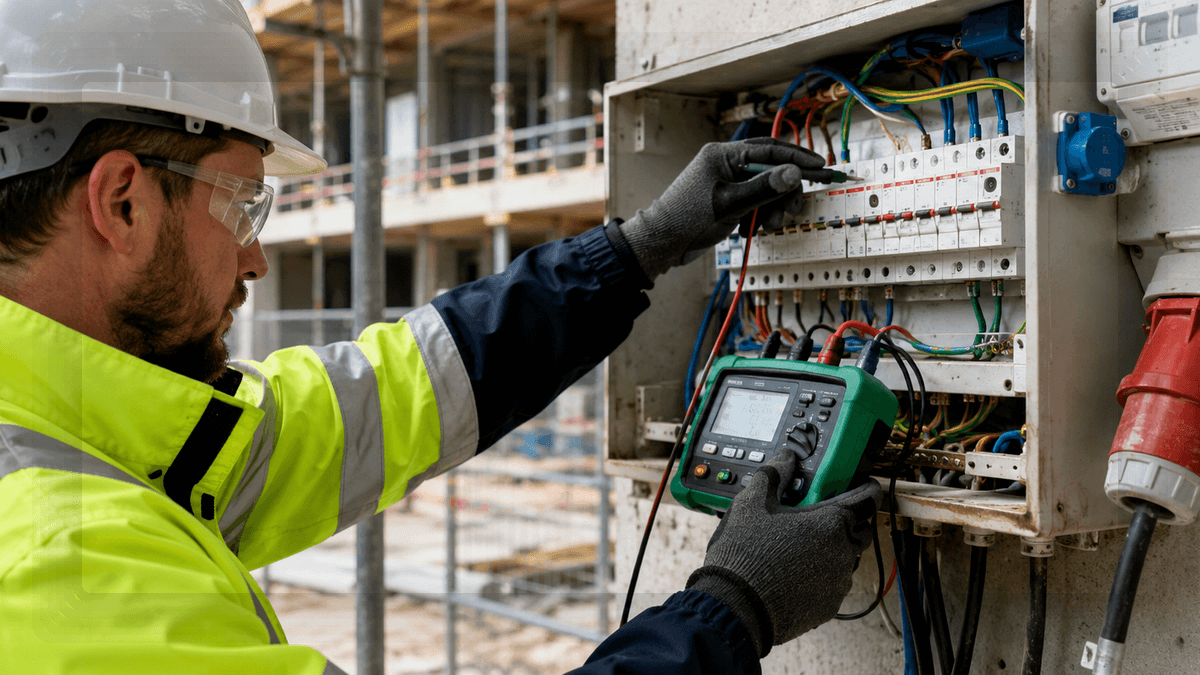
An RCD is designed to disconnect supply quickly when it detects an imbalance. Testing helps confirm that the device operates and that results are recorded for the site.
Coordinate testing with the project program
Testing is easier when access to switchboards, temporary power boards and portable RCDs is planned around site activities. Project teams should communicate shutdown requirements and identify areas with restricted access.
Keep site records current
A site register should identify the device, location, result, date and next due date. Clear records make it easier for supervisors to verify that equipment remains within the planned testing cycle.
Responding to failed results
A failed or damaged device should be isolated and managed promptly. Corrective work and retesting should be documented before the device returns to service.
Planned testing and clear records make compliance easier to manage than reactive, last-minute bookings.
